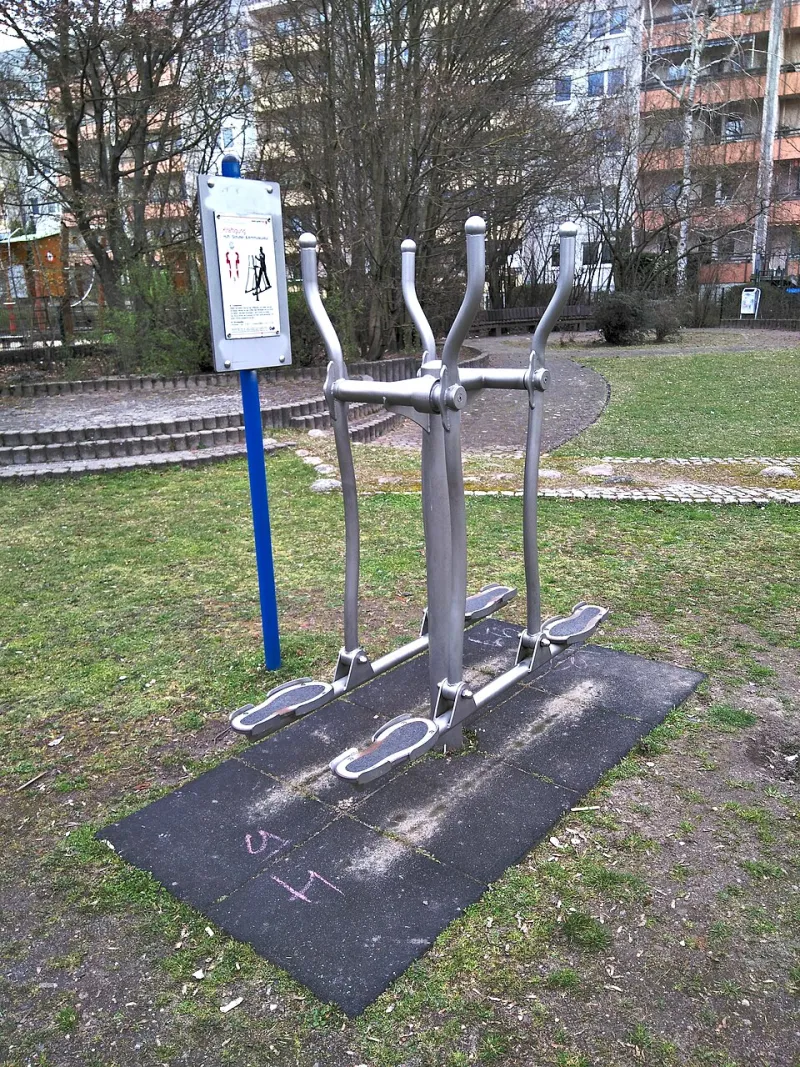
Dark Nights In, Bright Mornings Out: The Three-Month Orbitrek Roadmap That Outlasts Your January Resolve

Every January, the same story plays out on British pavements. Week one: a heroic queue of new runners in brand-new kit. Week three: the streets are empty again, and the treadmill of good intentions has quietly become a clothes horse.
The problem isn't willpower. It's that most plans are written as if Britain doesn't have weather. They assume you'll happily jog in horizontal rain, or that a 6am run in February darkness sounds like a treat rather than a health risk. An orbitrek in the spare room, garage or corner of the lounge doesn't care what the sky is doing — which makes it the perfect machine for a plan that actually survives the calendar.
Here's the one I'd suggest: twelve weeks, three phases, built to take you from the gloomiest stretch of the year to a spring stride you can be proud of.
Weeks 1–4: The Habit Phase (January, When It's Grim)
Forget intensity. The only job in the first month is showing up — and making that as painless as possible.
- Frequency: Four sessions a week, but only 15 minutes each. Yes, really.
- Resistance: Low. Whatever level lets you hold a conversation with the telly.
- Cadence: A steady 50–55 strides per minute. Don't chase numbers yet.
The dark mornings are the enemy here. If you're training before work, set the machine up the night before and put your water bottle where you'll see it when the alarm goes. If you're a post-tea exerciser, slot the session in before you sit down — the sofa has never once let go of anyone voluntarily.
The win condition for this phase isn't fitness. It's that by the end of week four, hopping on the machine feels boringly normal. That's the foundation everything else sits on.
Weeks 5–8: The Build Phase (February, When It's Still Grim But Slightly Less So)
Now we add a bit of structure. Three sessions a week stay steady, and one becomes your "interval session":
- Steady sessions: 25 minutes at a moderate resistance — one notch above comfortable.
- Interval session: 20 minutes alternating one minute brisk, two minutes easy.
- Stride target: Nudge the cadence up to 60–65 strides per minute on the steady sessions.
This is also the stretch where motivation wobbles, because February is Britain's most joyless month. Two tricks help. First, tie the sessions to something you already do — the telly-timed approach of exercising through an episode works brilliantly here. Second, track something visible: a wall calendar with a cross for every session is stupidly effective, and no app has ever matched the satisfaction of a felt-tip pen.
Weeks 9–12: The Spring Phase (March, When the Light Comes Back)
Here's the pleasant surprise of this plan: as the evenings brighten, your sessions get to change shape. Suddenly that 7pm slot has daylight in it, and the garden-or-window option reappears.
- Duration: Push your longest weekly session to 35–40 minutes.
- Resistance: Two or three notches above where you started. You'll barely notice the climb, which is the whole point.
- Cadence: 65–70 strides per minute on steady work, with brief surges to 75 on interval days.
If you get one of those freak warm March weekends, take the machine outside or swap a session for a walk or a cycle. The plan should bend around a nice day, not punish you for enjoying it. Conversely, if a wet week keeps you indoors, the orbitrek simply carries on as normal — no missed session, no guilt spiral.
The Milestones Worth Checking
Rather than obsessing over daily numbers, check in at three points:
- End of week 4: Can you complete 15 minutes without checking the clock? If yes, you're on track.
- End of week 8: Do the old easy settings now feel genuinely easy? Time to bump the resistance.
- End of week 12: Can you do 40 minutes and still hold a conversation? Congratulations — you've built real, useful aerobic fitness without once stepping into a February gale.
Why This Works When January Fads Don't
The gym membership model asks you to leave the house in the worst month of the year and pay for the privilege. This plan asks the opposite: stay in, keep the bar low, and let the improving weather do the motivational heavy lifting for free.
By the time April arrives, you won't be starting a fitness journey. You'll be maintaining one — with darker mornings behind you, a machine you actually like using, and a base of fitness that makes whatever comes next (longer rides, park runs, the odd hill) feel achievable rather than intimidating.
Twelve weeks sounds like a commitment. It's really just four habits stacked on top of each other, timed to improve exactly as the British weather does. Start this week — the dark ones are the hardest, and they're also the ones that count most.