Tea for Two, Strides for Two: Why the Orbitrek Might Be Britain's Best Excuse to Visit Your Nan

Photo by Photo by Age Cymru on Unsplash on Unsplash
There's a moment in every visit to my nan's bungalow in Wigan when the conversation runs dry. The telly goes on, the biscuits come out, and we sit in parallel silence until it's time for me to drive back down the M6. Lovely, but a bit... static.
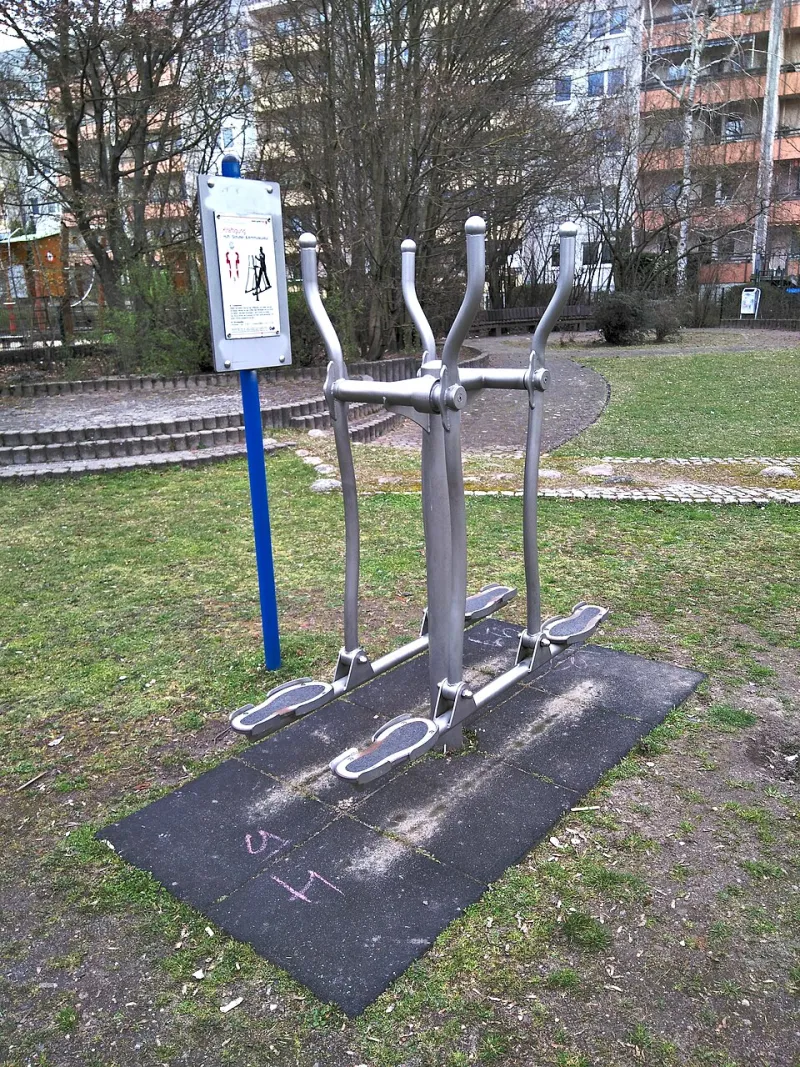
Then, last Christmas, my auntie's old orbitrek ended up in Nan's conservatory — and something unexpected happened. Instead of another pot of tea, I asked if she fancied 'a little go' on it. Twenty minutes later we'd put the world to rights, argued about the football, and she'd done more gentle movement than she'd managed all month.
It got me thinking: could the orbitrek — that most unglamorous of home gym machines — be the intergenerational fitness tool Britain didn't know it needed?
The Machine That Meets You Where You Are
Here's the thing about orbitreks that makes them uniquely suited to training with older relatives: the low-impact, gliding motion is about as kind to ageing joints as cardio gets. No pounding pavement, no dodgy knees on stairs, no need to leave the house in the rain.
I spoke to families around the UK who've stumbled into the same ritual. Margaret, 68, from Solihull, does two ten-minute sessions a week with her grandson Josh, 29, who lives round the corner. "He does his proper workout, then he stays on the sofa end cheering me on while I do mine," she told me. "It's the only exercise I've stuck with since the doctor suggested it, and I think that's because it's never just exercise."
Josh's take? "It's dead easy to cancel a gym session. It's much harder to cancel on your nan."
What a Physio Actually Says
I ran the idea past a musculoskeletal physiotherapist I know (who'd rather I didn't use her name, but who fixes knees for a living, as it happens). Her advice was refreshingly practical:
- Pace, not distance. For over-sixties, aim for a pace where you can still hold a conversation — what she calls "the chat test". If Nan can gossip mid-stride, the intensity's about right.
- Short and often beats long and rare. Two or three ten-minute sessions a week trump one heroic half-hour that leaves her wiped out for days.
- Warm up properly. A few minutes of gentle marching on the spot and ankle circles before hopping on. Unsexy, but it matters.
- Check the machine fits. Stride length and pedal height matter more for older users — an awkward fit puts strain on hips and knees. (We've covered getting the fit right elsewhere on the site, and it's worth reading before you buy.)
- Consult the GP first if there's a heart condition, recent surgery, or anything else on the medical list. Standard advice, but genuinely important.
The Six-Week Buddy Programme
If you fancy turning visits into a proper little ritual, here's a gentle plan Josh and Margaret have roughly followed — feel free to steal it:
Weeks 1–2: Find the rhythm. Two sessions a week, five to eight minutes each, resistance at its lowest. The goal is simply showing up and enjoying it. Finish while you're both still smiling.
Weeks 3–4: Build gently. Bump sessions to ten or twelve minutes. Add one minute of slightly firmer resistance in the middle, then ease back off. Grandchild tracks the time so the older relative doesn't have to think about it.
Weeks 5–6: The milestone. Aim for fifteen continuous minutes at conversational pace, twice a week. Celebrate properly — Josh and Margaret marked theirs with a chippy tea, which rather undoes the health benefits but does wonders for morale.
The milestones are deliberately modest. This isn't a training plan for a sportive; it's a habit with a heartbeat.
An Opinion, Since You Asked
Look, I'll be honest: I don't think the orbitrek is going to replace Sunday lunch. Nothing is replacing Sunday lunch. Roast potatoes are non-negotiable.
But I do think there's something quietly brilliant about a machine that lets a 29-year-old and his 68-year-old nan do the same activity, in the same room, at the same time — something almost no other piece of fitness kit manages. You can't spot each other on a bench press across generations. Nobody's nan is joining your Parkrun (well, some are, and fair play to them).
The orbitrek sits in that rare sweet spot: gentle enough for creaky joints, engaging enough for a gym regular, and — crucially — it lives in the home, where the visits already happen.
So here's my pitch. Next time you're round at your folks' or your grandparents' place, and the telly's droning and the biscuits are staring at you, ask if there's room in the conservatory for a second-hand orbitrek. Offer to help pick one, build it, and be the cheerleader for the first month.
You'll get fitter. They'll get fitter. And the conversation won't run dry.
Worth a go, I'd say — and if the chippy tea afterwards becomes part of the ritual too, well, balance is a lifestyle.