Renting in Britain? Here's How to Get an Orbitrek Past Your Landlord Without Losing Your Deposit
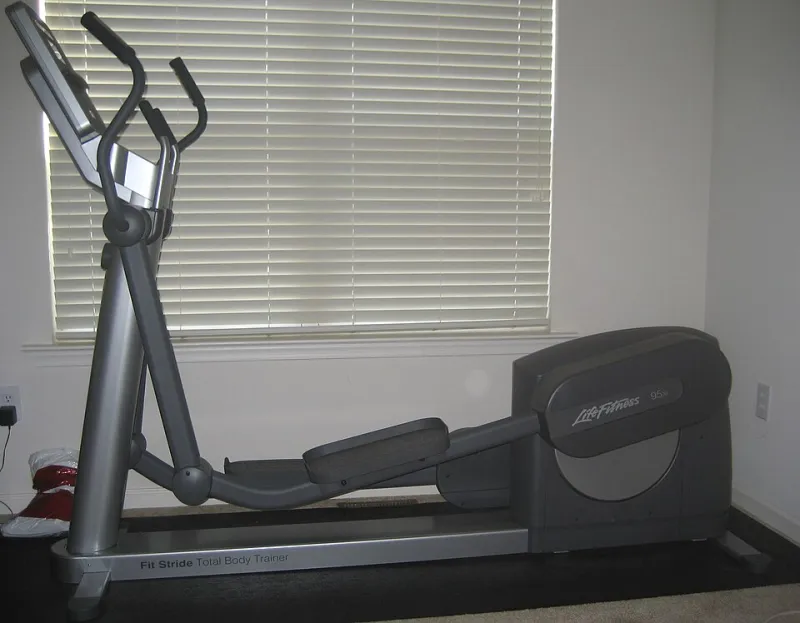
Photo: No machine-readable author provided. Cpetro45 assumed (based on copyright claims)., CC BY-SA 3.0, via Wikimedia Commons
There's a particular kind of frustration in scrolling through orbitrek reviews at 11pm while sitting in a flat you don't own, wondering whether the phrase 'no exercise equipment' buried in clause 14 of your tenancy agreement means what you think it means.
Good news: in most cases, it doesn't. And even where it's ambiguous, there's plenty you can do to make a cross trainer a perfectly acceptable — even invisible — addition to a rented home.
First Things First: Read the Actual Contract
Most UK tenancy agreements don't mention exercise equipment at all. What they do typically cover is noise nuisance, alterations to the property, and keeping the property in good condition. An orbitrek ticks none of those boxes — unless you let it.
The genuinely risky scenarios are rare: a clause banning 'business use' (irrelevant), one prohibiting heavy items on upper floors (worth checking), or a shared freehold arrangement where neighbours below are closer than usual. If your contract is silent on fitness kit, you're almost certainly fine. If it's ambiguous, a polite email to your letting agent asking about 'a low-impact fitness machine' costs nothing and creates a paper trail.
The Joist Question: Should You Worry About Weight?
An orbitrek plus a person typically comes in at 110–150kg spread across four small feet. Modern UK homes are built to handle considerably more — a bath full of water weighs similar, and nobody bans those.
That said, older conversions with timber joists can creak and flex. If your machine lives upstairs in a Victorian terrace flat, spread the load: a quality rubber mat distributes weight across a wider footprint and solves several problems at once (more on those shortly). Place the machine along a wall, ideally where joists run perpendicular, and avoid the middle of the room where bounce is greatest.
Rubber Matting: Your Deposit's Best Friend
Here's the single most important purchase after the machine itself. A 6mm rubber mat (or two interlocking tiles) underneath your orbitrek:
- Stops the feet digging into carpet or vinyl
- Absorbs vibration that would otherwise travel through floorboards
- Cuts noise transfer to the flat below dramatically
- Catches the occasional drop of sweat before it stains
A decent mat costs £25–£50 — less than the deduction from a deposit for one stained carpet. Interlocking EVA tiles work on hard floors; for carpet, go for proper rubber.
Noise: The Real Tenancy Killer
Landlords rarely notice an orbitrek. Neighbours notice a noisy one. A creaking machine thudding away at 6am in a purpose-built flat is how complaints start.
Choose magnetic resistance over air (quieter by a distance), check our Whisper Mode guide for specific models, and lubricate the rails as per the manual. Then add the mat, and you're down to a hum that even a light sleeper downstairs won't register.
Insurance and the Small Print
Two things worth a quick check. First, contents insurance: a heavy machine is technically your possession, so confirm it's covered — most policies include it by default. Second, if your orbitrek damages the property (a dented wall from a moving handlebar, say), that's on you, not the landlord's cover. Which is one more reason to position it with clearance on all sides.
Clever Kit for Renters
The rental market has quietly shaped what's worth buying:
- Fold-away or compact models — several front-drive orbitreks fold nearly flat and roll into a corner or cupboard. Ideal when viewings loom.
- Lightweight frame machines — under 40kg models exist that two people can carry upstairs without drama.
- Magnetic resistance — quieter, no motor hum, and fewer moving parts to go creaky.
- Adjustable levelling feet — non-negotiable on uneven Victorian floors; a wobbling machine walks across a room and chews skirting boards.
The Moving Day Plan
One final thought: you'll leave this flat eventually. Buy an orbitrek you can disassemble — most come apart into two or three chunks with basic tools. Keep the original box if you can, photograph the assembly process on your phone, and it'll slot into the next flat (or the next tenancy's storage cupboard) without a weekend of swearing.
Renting doesn't mean renting your fitness routine out to the gym. With a mat, a quiet machine and a quick read of the contract, the orbitrek works just as well in a two-bed flat in Salford as it does in a detached house in Surrey — and your deposit stays exactly where it is.


