The £45 Monthly Bet: Why Your Gym Membership Probably Loses to an Orbitrek This Winter

Photo by Photo by Odile on Unsplash on Unsplash
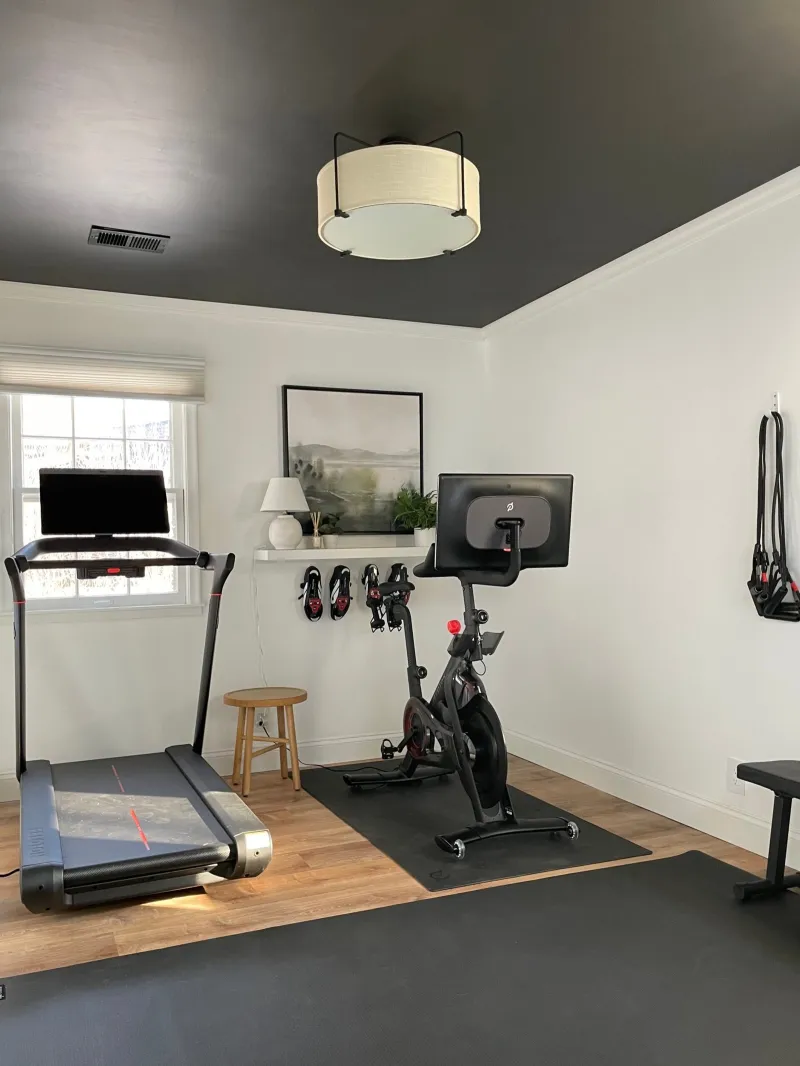
Let's do a thought experiment. Picture yourself on a dark, wet Tuesday evening in January. It's been hammering down since lunch. The gym is a twenty-minute drive across town. You've got a towel, a gym bag, a change of clothes, and roughly zero enthusiasm. Now picture the alternative: three steps to the spare room, phone connected, and you're already moving.
That gap — between the version of you who drives to the gym and the version who just gets on with it — is where most fitness resolutions quietly die.
The Maths Nobody Wants to Do
The average UK gym membership sits somewhere around £40–£50 a month, more in London, less if you've bagged one of those no-frills outfits where the dumbbells are always in use. Call it £45. Over a three-year contract — and they do love a 12-month minimum — that's £1,620.
A perfectly good mid-range orbitrek costs £300–£450 new, and as we've covered before, considerably less second-hand. It doesn't expire. It doesn't charge you a cancellation fee. It doesn't judge you when you haven't visited since October.
Yes, the gym has treadmills, pools, and classes. But be honest with yourself about what you'd actually use. For the vast majority of home exercisers, the answer is cardio, and the orbitrek does cardio brilliantly — low impact, full body, no hammering your knees on the pavement in the rain.
The February Problem
Industry figures consistently suggest gym attendance falls off a cliff within six to eight weeks of New Year. Gyms know this; their entire business model is built on members who pay and don't turn up. You are, in effect, subsidising the people who do.
The problem isn't laziness. It's friction. Every gym visit involves packing a bag, travelling, changing, and doing it all again in reverse. Each step is a chance to say 'not today'. A home orbitrek strips that friction to nothing. The machine is there, staring at you. Fifteen minutes while the dinner's in the oven? Done.
What the Gym Does Genuinely Do Better
In the interest of fairness: some people need the gym. If you're after serious strength training, a squat rack, or the social accountability of a class with a name like 'Inferno Spin', a home orbitrek won't replace that. If home is a shared flat where the only spare corner is behind the sofa, a 60kg machine is a hard sell. And some people simply find that leaving the house is the ritual that works for them — motivation is personal, and the best workout is the one you'll actually do.
But if your goal is 'move more, feel better, lose a bit of weight, and survive winter', the orbitrek covers it. And crucially, it covers it on your terms, at 6am, in your pyjamas, without a commute.
The Verdict
For every £45-a-month gym member who goes twice a week all year, there are several who go for six weeks and keep paying until the contract runs out. If you suspect you're in the latter group — and January optimism has burned you before — spend £350 once instead of £45 forever. Put it by the window, stick a film on, and let the machine pay for itself by March.
Your future self, smug and dry on a rainy Tuesday evening, will thank you.