Twelve Weeks Back in the Saddle: Why the Orbitrek Is the Comeback Machine Britain's Over-Fifties Swear By
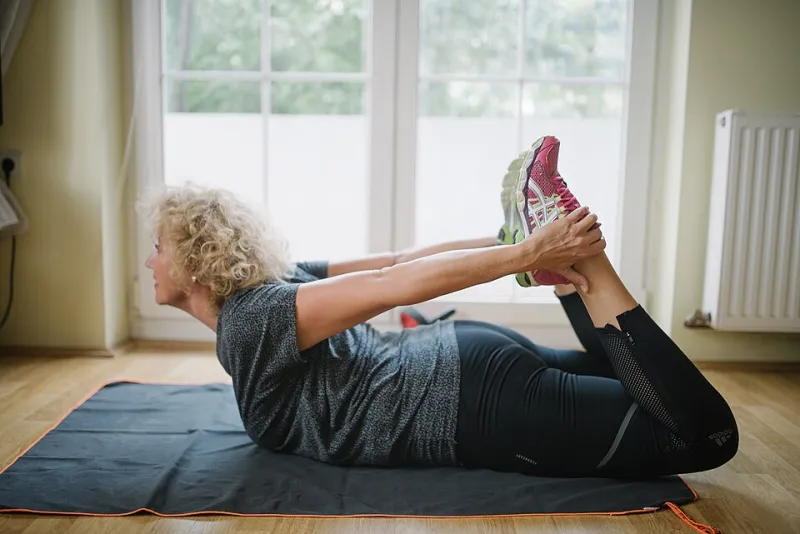
Photo: Nenad Stojkovic, CC BY 2.0, via Wikimedia Commons
There's a particular kind of frustration that comes with rebuilding fitness after your fiftieth birthday. You remember being fit. You might even still have the running shoes to prove it. But one bout of shingles, a hip replacement, or two years of 'I'll start Monday' later, and the body has opinions it didn't used to have.
Here's the thing though: the answer isn't to grind through the pain. It's to pick a machine that lets your joints opt out of the punishment while your heart and lungs do the work. Increasingly, GPs and physios across the UK are pointing people towards exactly one piece of kit for the job — and it's probably already sitting in someone's utility room near you. The orbitrek.
Why Low-Impact Isn't Low-Value
The elliptical gets a bit of a snobby reputation in fitness circles, usually from people who've never had a knee that sounds like bubble wrap getting out of a chair. But the mechanics are genuinely clever: your feet never leave the pedals, so there's no repetitive pounding to aggravate arthritic joints, healing fractures, or post-op hips.
What you keep is the cardiovascular load. Research on elliptical training has consistently shown heart-rate responses comparable to treadmill running at similar effort levels — you just don't pay for it afterwards with three days of aching shins. For anyone managing osteoarthritis, recovering from a chest infection, or simply carrying a few more pounds than they'd like while they get moving again, that trade is a no-brainer.
NHS guidance has long encouraged adults to accumulate moderate-intensity activity in manageable chunks, and there's nothing in the rulebook that says the moderate intensity has to hurt. An orbitrek lets you hit the target without the tax.
The GP-Friendly Way to Start
Before we get into the plan, the boring-but-important bit: if you've been unwell, had surgery, or you're on medication that affects your heart rate (beta blockers are the classic culprit — they cap your pulse regardless of effort), have a quick chat with your GP or practice nurse before starting. Most will be delighted you're asking. Some will even suggest specific targets.
The core principle is simple: start easier than you think you need to, and progress slower than you think you should. The people who fall off the comeback wagon aren't the ones who go too gently — they're the ones who go too hard in week one, feel wrecked, and decide the whole enterprise was a mistake.
A rough effort guide for the medication-free: moderate intensity means you can talk but not sing. If you want numbers, that's roughly 40–60% of your estimated maximum heart rate (220 minus your age) in the early weeks, creeping towards 60–70% as fitness returns. On beta blockers? Use the talk test instead. It's free and it works.
A Twelve-Week Milestone Map
Think of this less as a training programme and more as a series of honest checkpoints. Adjust freely — the plan serves you, not the other way round.
Weeks 1–2: Reintroduction. Three sessions a week, ten to fifteen minutes each, resistance so low it feels almost insulting. The goal is simply to prove to your body (and your brain) that this is happening now. Aches the next day mean you've overdone it — dial back.
Weeks 3–5: The rhythm weeks. Bump sessions to twenty minutes, four times a week. Add one resistance notch if twenty minutes feels genuinely comfortable. By the end of week five you should be noticing mundane things: stairs without pausing, a slightly better mood, sleep that feels more like sleep.
Weeks 6–8: The quiet gains. Twenty-five to thirty minutes, still conversational pace. This is where most people get greedy and push too hard — don't. Consistency is doing the heavy lifting right now, not intensity.
Weeks 9–12: Gentle progression. Now you can play. Add short two-minute stretches at a firmer effort where talking becomes a bit breathless, then recover. By week twelve, three or four 30-minute sessions a week with some variation puts you ahead of a good chunk of the under-forties population.
Choosing Kit That Won't Discourage You
If you're buying rather than dusting off, a few features matter more than others for recovery work. Look for a smooth, front-or-rear driven stride of at least 18 inches (longer if you're tall — cramped strides are a knee-grumbling machine), easily adjustable magnetic resistance, and — crucially — moving handlebars, because the upper-body engagement is half the calorie burn and all of the balance benefit.
Skip the gimmicks. Twenty-seven resistance levels you'll never use are less valuable than a machine that feels stable when you step on it at 7am in your dressing gown.
The Bit Nobody Says Out Loud
The real magic of the orbitrek for the over-fifties comeback isn't physiological. It's psychological. It's a machine that meets you where you are, doesn't judge the pace, doesn't make your knees pay the bill, and sits in the spare room quietly holding the door open for tomorrow's session.
Twelve weeks is roughly one season of Match of the Day. It's not a lifetime. And unlike most promises in fitness, this one's actually kept — one unremarkable, low-impact, entirely sustainable stride at a time.